Where should we point our fingers when tragedy strikes and the answers are uncomfortable?
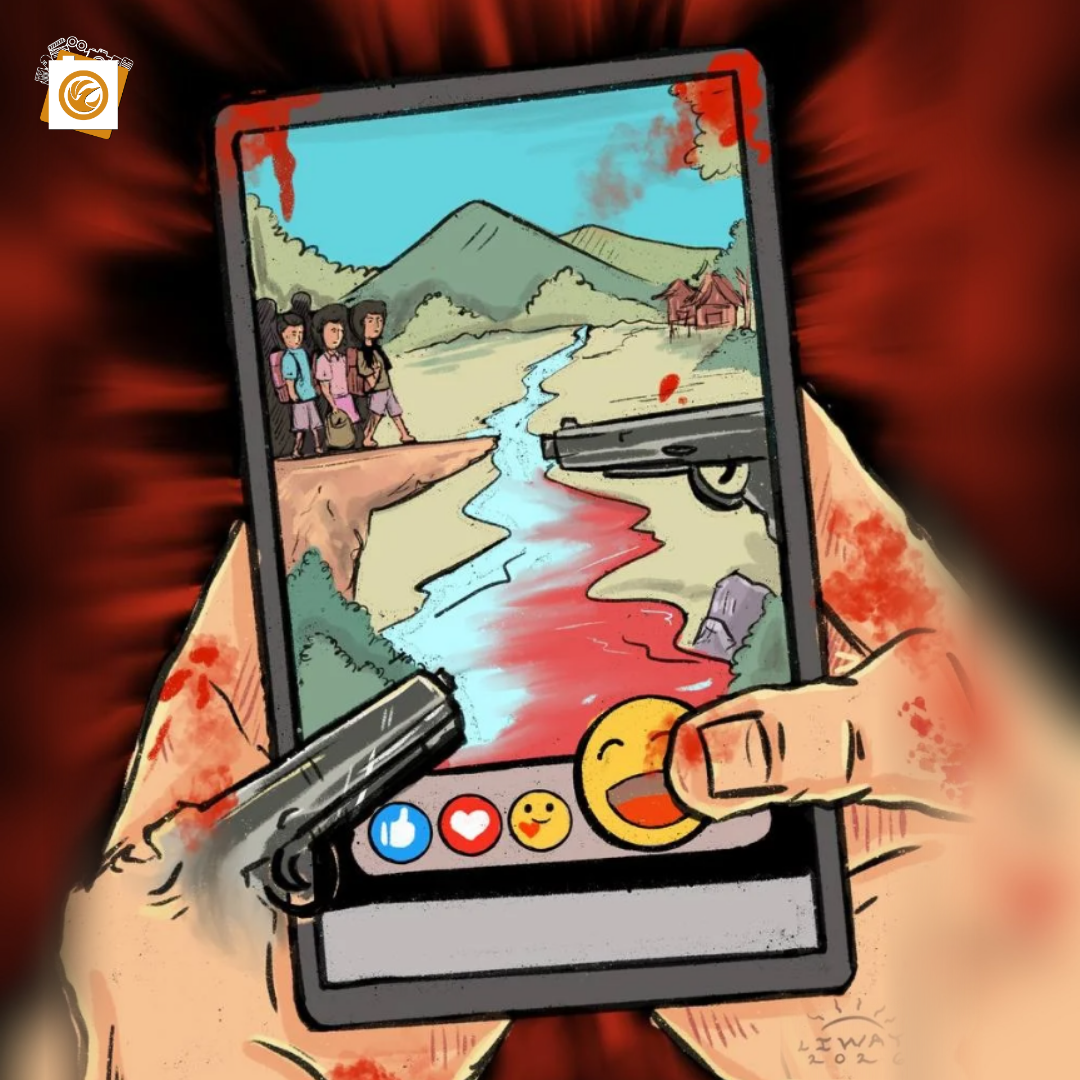
In the wake of the June 22, 2026, school shooting at San Jose National High School in Tacloban, Leyte, took the lives of three students among the 23 victims. The government has been quick to blame video games as the sole cause of this incident that in response, the Cybercrime Investigation and Coordinating Center (CICC) has moved to temporarily ban a mobile game titled GoreBox, a graphically violent physics sandbox game played by the alleged school shooters, believing that the game itself influenced the minds of underage suspects to incite real-world violence.
In reality, children and adults have played games that are more graphically violent than what the child has played. Yet there is no evidence of committed acts of mass violence, challenging the assumption that violent video games alone can explain or predict real-world violence. And as it turns out, there is far more to this story than a mobile game—condemning leisure overlooks the underlying causes behind the child’s behavior, and yet these officials still dare to blame the game’s age rating and contents, which is the wrong idea entirely.
It’s easier to blame something that can’t be contained rather than being accountable. During the Senate hearing on the 1st of July, Senator Risa Hontiveros revealed that the suspects were allegedly groomed by an adult who instructed one of them to delete his Discord, Reddit, and Telegram accounts after the shooting to destroy evidence—and that 764, an international extremist network flagged by the FBI as a national security threat, had infiltrated gaming platforms to radicalize these children. And the first response was to ban a mobile game?
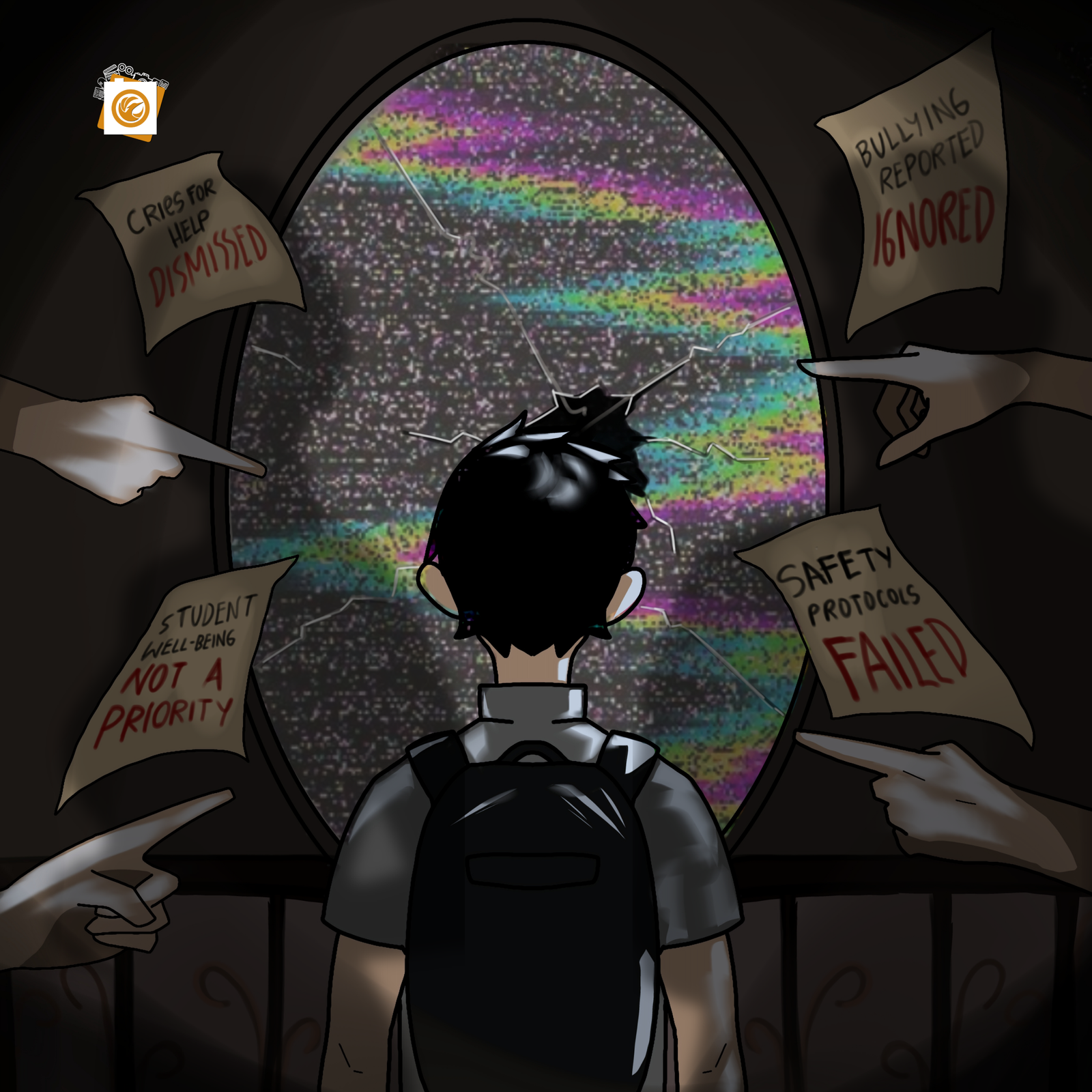
The real question is why did no one notice a troubled child before he walked inside the school with his aunt’s 9mm Glock? And not whether the game is appropriate for children.
Albert Bandura’s Social Learning Theory shows that children imitate what they see, but the 1963 Bobo doll experiment, where children imitated an adult, a filmed version, and a cartoon cat hitting a toy, took place in a controlled lab. The Bobo doll is a toy designed to be hit, not a person. Bandura himself acknowledged that children have enough cognitive control to separate what they see on the screen from what they do in real life, and there’s a massive difference between aggression and planning a school shooting. The CICC is borrowing Bandura’s logic but completely misunderstanding its scope.
Within the Filipino context, the data cooperates. A 2023 study of student gamers in Davao del Sur found no significant link between violent games and aggression, while a separate study of junior and senior high school students in Quezon City found that violent gaming actually served as a coping mechanism rather than a trigger for violence. The evidence is right in front of us; all we need to do is ask the right questions.
This is hardly new. Governments and parent groups have been blaming video games or anything they believe to be “dangerous” ever since the 90s. Such games as Mortal Kombat and Doom were condemned for their graphic violence and brutal finishing moves; the moral panic was so tense back then they even started condemning Pokémon for its evolution mechanic. In the Philippines, people are still stuck in that mindset even though it was disproven years ago.
Parents and guardians have an important role in monitoring what their children play without being overbearing—playing alongside them builds connection and ensures that they don’t feel isolated in their own world. Scolding a child for doing something wrong is less effective than explaining why it is wrong. Games have age ratings for a reason. Not every game is made for children, and allowing them to play games that match their age and maturity level is a shared responsibility. Parents guide at home, and the government enforces and regulates standards. Outright banning games oversteps that boundary.
This also emphasizes the need for psychologists to be prioritized. In the Philippines, mental health services are lacking or too expensive for most families; as of 2024, the country had only 1,821 mental health professionals for a population of over 100 million, and the World Health Organization reported only one psychologist for every 1 million people.
Moreover, a wider game ban would devastate the growing E-Sports industry in this country, taking a toll on our economy. So many Filipinos who earn money off playing games, streaming, and competing in tournaments overseas will lose their livelihoods or leave the country for gaming opportunities elsewhere, further draining an already struggling economy.
On a larger scale, instead of the government banning games, they should impose stricter security protocols in schools: metal detectors, more guards, better ID scanners, and stronger gun regulations enforced by the Philippine National Police. Expanding mental health services should also be prioritized, making them accessible even in rural or mountain areas. They should also strengthen anti-cyberbullying laws by targeting perpetrators, not victims. Schools need to tighten their own anti-bullying policies, as social isolation and bullying are consistently cited as contributing factors in school violence. Online platforms must also be held accountable for how extremist groups exploit their systems to groom and radicalize vulnerable children.
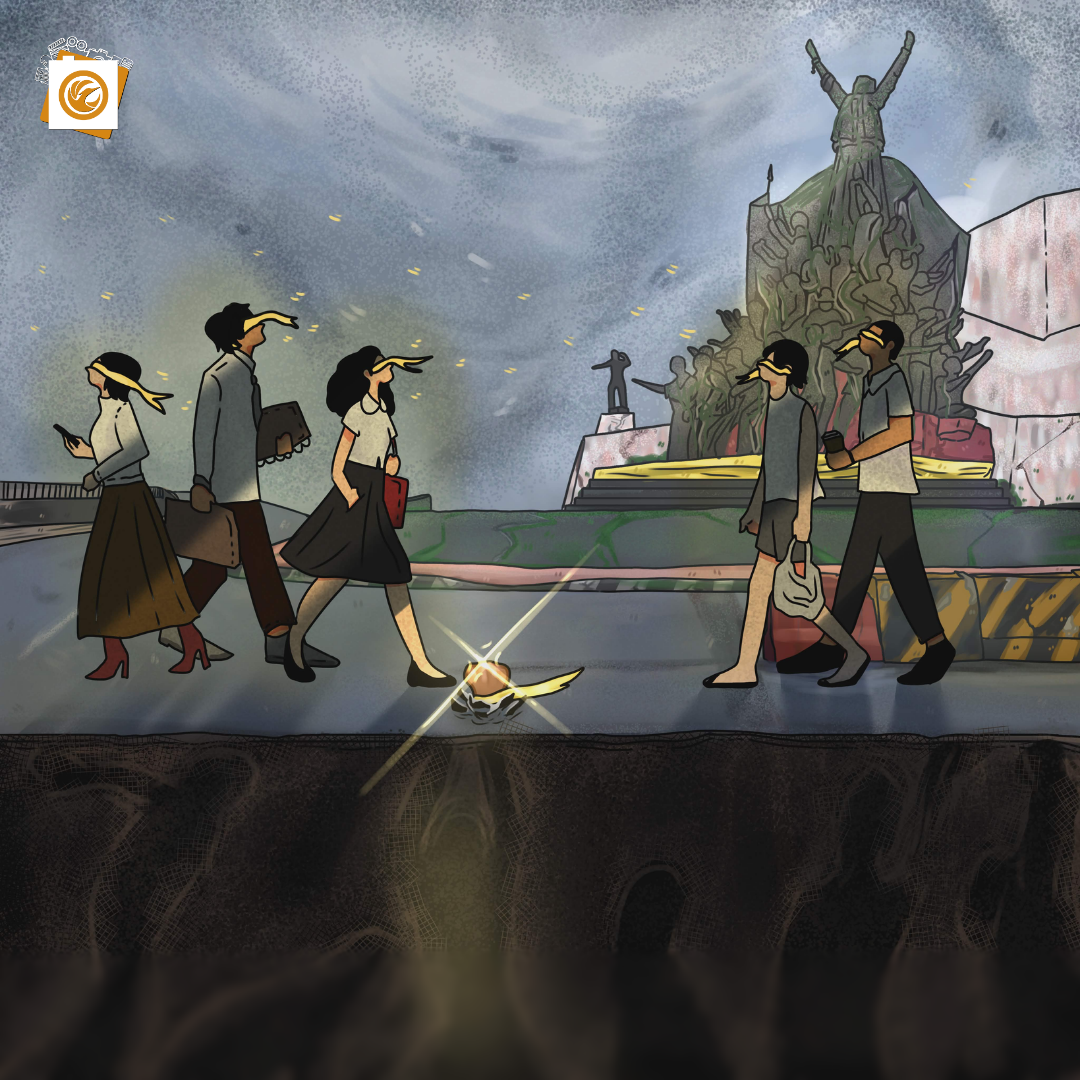
Three students have died in that shooting, and one of them bravely sacrificed himself to let others flee—braver than every other government official combined. The higher-ups need to wake up and take accountability for their negligence, or more incidents like this will keep emerging across the entire country. If the weight of the incident doesn’t faze them, nothing will. Reducing the matter solely to video games corrupting the minds of the children oversimplifies a far more complex problem.
Games are made to have fun and to channel frustration, not to let negativity seep into the real world. What’s inside the screen stays inside.
References:
University of Oxford. (2019, February 13). Violent video games found not to be associated with adolescent aggression | University of Oxford. Www.ox.ac.uk; University of Oxford.
Jahic, N. (2025, May 5). Bridging the Gap: Mental Health Care in the Philippines – The Borgen Project. The Borgen Project. https://borgenproject.org/mental-health-care-in-the-philippines/
Mental Health Issues. (n.d.). Serp-P.pids.gov.ph. https://serp-p.pids.gov.ph/feature/public/index-view?feauredtype_id=1&slug=Mental-Health-Issues
Kretchmar, J. (2024). Social learning theory . EBSCO. https://www.ebsco.com/research-starters/education/social-learning-theory
Amoroso, A. N., Bina Hamjan, Lizondra, J. L., & Tomakin, E. M. (2024). Violent Video Games on Aggression and Self-control of Student Gamers. KnE Social Sciences. https://doi.org/10.18502/kss.v9i30.17527
Cruz, R. (n.d.) A PHENOMENOLOGICAL STUDY OF PLAYING VIOLENT VIDEO GAMES AMONG FILIPINO PLAYERS. Academia.edu. https://www.academia.edu/124142816/A_PHENOMENOLOGICAL_STUDY_OF_PLAYING_VIOLENT_VIDEO_GAMES_AMONG_FILIPINO_PLAYERS
Mary Ann E. Lopez, Joel John Dela Merced, Michael Llabore Jr, Lirica Ann Delos Reyes, Roxette Anne Garcia, Rachelle Ann Pero, Peter John Parajas, Jacquelyn Joyce Nicolas, Raniel Marquez, & Marie Christene Lim. (2023). Effects of Digital Gaming in the Mental Health and Behavioral Status Among Adolescents. Psychology and Education: A Multidisciplinary Journal, 12(7), 1–1. https://ejournals.ph/article.php?id=21787
Illustrated by Remjan Ashley Claire Pimentel