“Make the most of it while you’re still young.”
It’s what people say when they want you to seize your youth, whether that means grabbing opportunities, staying active, or eating whatever you feel like. But making the most of it doesn’t mean doing whatever you can get away with, especially when it comes to your health.
For students, food that is both cheap and filling is hard to find. In the Philippines, where salty and processed foods are widely available and affordable, they become the go-to choice for many. The habits that form around these choices matter more than we think, especially as cases of Chronic Kidney Disease (CKD) rise among younger Filipinos. According to the Philippine Renal Disease Registry, around 57% of Filipinos diagnosed with CKD are between 20 and 59 years old, now outnumbering senior citizens. That range covers working-age adults, including many who are only a few years out of their student days. In other words, CKD is no longer mostly a disease of old age, and the people most affected are now those in their prime and working years.
What are the kidneys, and what do they do?
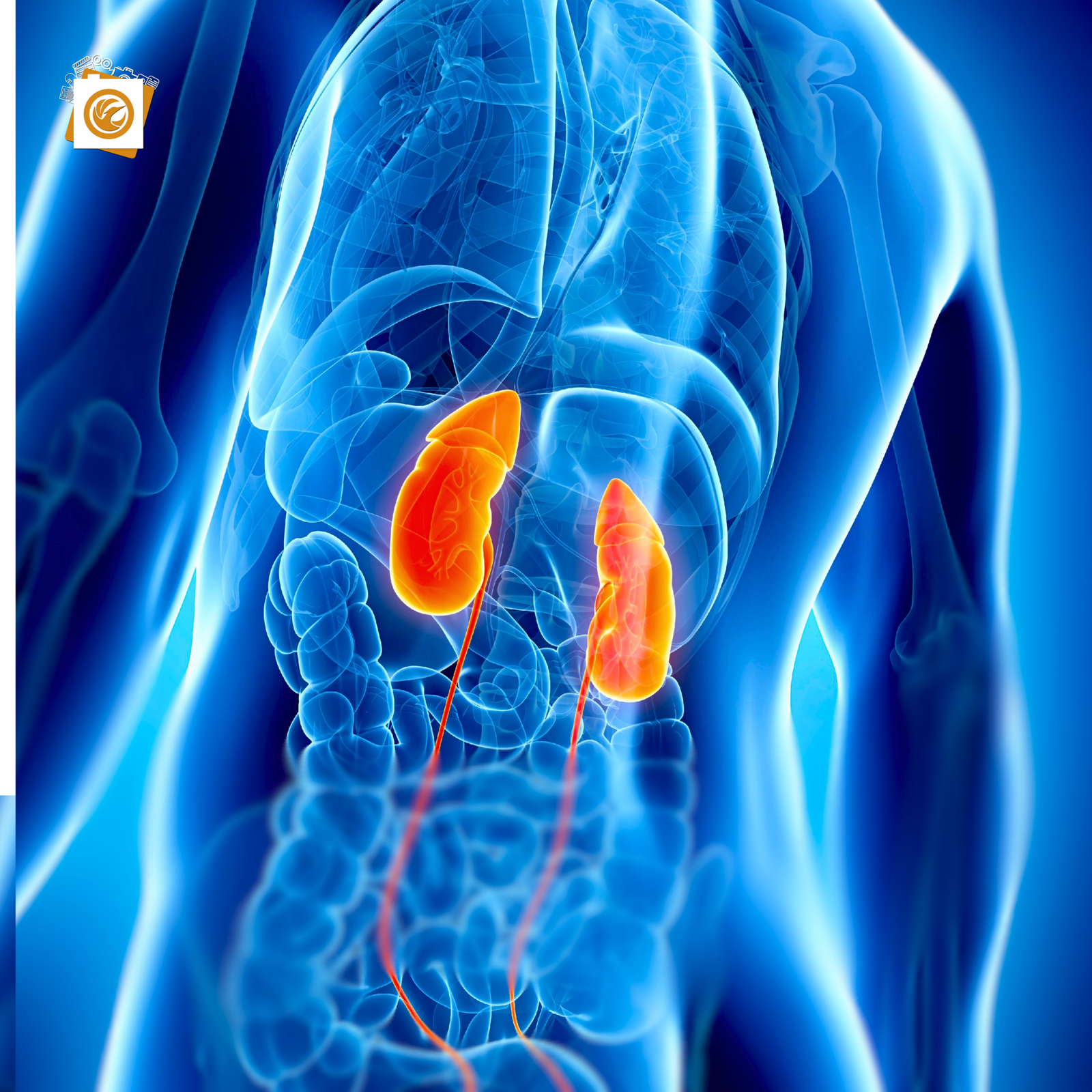
The kidneys are a pair of fist-sized organs at the back of the abdomen, and they work around the clock. Your body produces waste just from breathing, eating, and moving, and the kidneys filter that waste and any toxins out of your blood so they can leave the body as urine. They also clear medications and extra fluid, and they keep the body’s fluid and electrolyte balance in check. Through an enzyme called renin, they help regulate blood pressure, and they help the body make red blood cells.
When the kidneys struggle, fluid can build up, causing swelling in the legs or shortness of breath. The relationship with blood pressure runs both ways: kidney disease can cause high blood pressure, and high blood pressure can in turn worsen kidney function.
What is Chronic Kidney Disease (CKD)?

CKD is a long-term condition in which the kidneys gradually lose their ability to function. It is diagnosed when kidney damage or reduced kidney function lasts for three months or more. In young children, it is usually caused by conditions present from birth, such as kidney or urinary tract defects and inherited disorders. In teens and young adults, the adult causes become more important: high blood pressure, diabetes, and obesity, which are increasingly linked to diets high in salt, sugar, and processed food.
Because early kidney damage is silent, habits formed during student years can matter long before any symptoms appear. The kidneys can lose a large share of their filtering ability before symptoms show up, because the healthy parts compensate for the damaged ones, which is why many people discover CKD during routine blood or urine tests or once it has reached an advanced stage. Once damaged, kidney tissue generally does not regrow, so CKD tends to worsen gradually through five stages over months or years, and the late stage, called kidney failure, requires kidney dialysis or a kidney transplant to keep the body alive.
Why should fellow Herons care?
Young people are not exempt from CKD because the conditions that damage the kidneys, such as high blood pressure, diabetes, and obesity, are now appearing earlier in life, and a person who develops them in their twenties has decades of exposure for the damage to build up. Within UMak, the food options range from home-cooked meals to quick, easy-to-eat food. For many students, the campus stalls and cafeteria are a lifeline. Going to school on an empty stomach is not good for your health, however, not everyone has time to pack lunch or eat before class. The stalls offer convenience, variety, and prices that fit a student budget, which is exactly why so many students rely on them.
The challenge is not any one stall or meal — it’s the pattern. When a rushed schedule and a tight budget meet a menu full of salty, fried, or sugary options, often paired with soft drinks or energy drinks instead of water, the same choices get repeated day after day.
For Karl Danielle Macogay, a 3rd Year student, this is a common reality. “Health is wealth, and many in our generation don’t regulate their health. Most of what we eat is from fast foods because they’re what’s more available and accessible to everyone. Actually, karinderya food is more expensive today,” he said. He admits that when he is stress-eating, he’ll eat anything, whether sweet or salty.
Eaten occasionally, these foods do little harm. Eaten every day, they add up quietly, because diets high in salt and processed food are linked to high blood pressure, obesity, and diabetes, the conditions that most commonly lead to CKD. And since early kidney disease is silent, we may not feel anything wrong until the damage is already done.
Habits that help, Habits that harm

Protecting your kidneys doesn’t require an expensive diet. It comes down to small habits repeated consistently.
Some everyday habits quietly work against your kidneys. The World Health Organization recommends that adults consume less than 2 grams of sodium a day, which is about 5 grams of salt, or roughly one teaspoon. Instant noodles, processed meats, chips, and heavily seasoned meals can use up much of that limit in a single sitting. Swapping water for soft drinks or energy drinks adds sugar and calories with little nutritional value, and these drinks are linked to weight gain and diabetes, both CKD risk factors. Skipping meals and then overeating, or stress-eating through exam season, can also push students toward whatever is fastest rather than what is best. Perhaps the most harmful habit of all is ignoring the early signs, since waiting for symptoms of a silent disease means waiting too long.
The good news is that the habits that help are just as simple. Drinking water regularly is one of the cheapest, and carrying a refillable bottle makes it easier to cut back on sugary drinks. Balancing your plate with vegetables, fruit, or a side that isn’t fried, even when it’s only an occasional swap, makes a difference over time. Tasting your food before adding more seasoning, going lighter on salty condiments, and checking the sodium content on packaged snacks and instant meals all help keep salt in check. Staying physically active supports healthy weight and blood pressure. Having your blood pressure checked is also worthwhile, since high blood pressure is a leading cause of CKD, and it’s worth asking your campus clinic or a nearby health center what screening they offer. Finally, know your family history: a relative with kidney disease, diabetes, or hypertension raises your own risk, and it’s better to know early.
Making the most of it
Being young doesn’t make you invincible. Making the most of it can also mean building habits now that your future selves will thank you for. The stalls and cafeterias will keep serving the meals that carry you through the day, and what goes on the tray, what we pair it with, and how often we repeat it are ours to decide. Your kidneys work quietly for you every day, so it’s best to start working for them too and to return the favor.
Illustrated by Ma. Ysabelle Villacorte
References:
Cabalza, D. (n.d.). More young Filipinos getting chronic kidney disease, and they learn too late. Philippine Daily Inquirer. https://asianews.network/more-young-filipinos-getting-chronic-kidney-disease-and-they-learn-too-late/
Chronic kidney disease is becoming more common among young Filipinos. (n.d.). Cebu Daily News. https://cebudailynews.inquirer.net/680972/chronic-kidney-disease-is-becoming-more-common-among-young-filipinos
Kidney disease cases on an upsurge. (n.d.). Market Monitor. https://marketmonitor.com.ph/?p=48871
Department of Health. (2009). Administrative Order No. 2009-0012: Institutionalizing the Philippine Renal Disease Registry. Summary at https://jur.ph/law/summary/guidelines-strengthening-philippine-renal-disease-registry
World Health Organization. (2012). Guideline: Sodium intake for adults and children. Geneva: WHO.https://www.who.int/publications/i/item/9789241504836
National Institute of Diabetes and Digestive and Kidney Diseases. (n.d.). The kidneys and how they work. National Institutes of Health. Archived copy at https://webarchive.library.unt.edu/web/20130215070050/http:/kidney.niddk.nih.gov/KUDiseases/pubs/yourkidneys/yourkidneys_508.pdf
Oxford Kidney Unit. (n.d.). Chronic kidney disease: Information for patients and their families. Oxford University Hospitals NHS Foundation Trust. https://www.ouh.nhs.uk/media/aizokvkj/102696ckd.pdf