

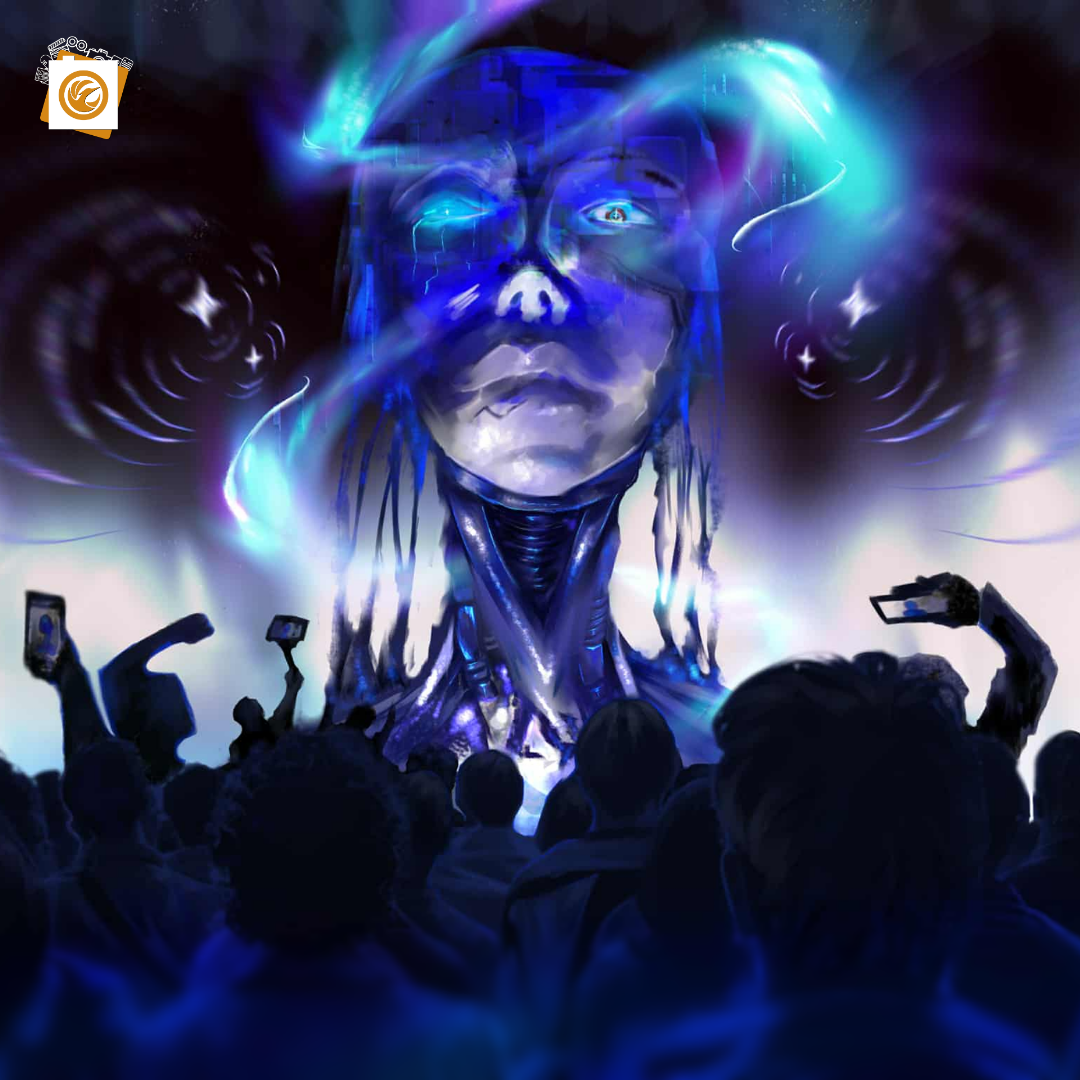
People may argue that there is no limit when it comes to creativity as people create their own masterpieces using their imagination. It is not an astonishing fact when people know that each scenario was a product of my imagination, crafted, and thought of carefully like it is made of glass—hard to create, but easy to break.
In an artform where actions could speak louder than words, every gasp or a single twitch of an eyebrow could change the meaning of a message that I wanted to convey when creating a film. Just like how my peers are able to channel unsaid words and pierce the hearts of each listener through musical notes as the strum of the guitar or the weight of the drums cause a significant impact on the overall vibe of a song.
Yet, I can still clearly remember how the pouring rain made clothes stick to my skin, while the rumbling of thunder felt like laughter as we attempted to avoid our equipment from being damaged against the pouring rain. Our months of hard and tiring preparations on set were cancelled, just like how the rain erased the tracks of footprints on the ground, replacing it with a muddy surface.
Having the chance to look at the tapes inside the office without needing to worry about anything other than the clips that were transferred from the camera into the laptop that we use for editing, the sound of television echoes throughout the walls because someone forgot to turn it off.
What caught my attention is how each word becomes a slap to reality, announcing how a film was created with the use of Artificial Intelligence (AI). The “Portrait No. 72” became one of the Top 5 works of the first-ever Global AI Film Awards with more than 3,500 entries globally. With the help of Gemini, Nano Banana, and Veo 3 AI tools, the creators used multiple prompts to reach their desired output that was then added in the film.
Seeing our hard-earned clips, they were still raw and unpolished—far from the vision that we wanted to accomplish, but comparing it to the product coming from AI, would people still see a difference? Would people care for the different outcomes?
It leaves another question at the back of my mind: How did AI become a part of our new reality? A newly created medium, they say, claiming that one can express creativity—breaking the limit of skills and means, where one does not need to be a master of a craft while the need for expensive equipment that costs thousands is no longer required to produce their desired output.
Just like how AI is changing the realities when it comes to film—first utilized as tools to enhance the process of creation from script writing to post processing, the field of music is facing a similar situation. From placing an importance to practice and hard work as blisters form on their fingers from playing a stringed instrument, it now became accessible to people as they can create their own music in just a few clicks and prompts.
There have been multiple accounts on social media like TikTok and Spotify where people post content of AI generated music by creating a cover, making a different version based on a specific artist or group, or utilizing AI to create stems or vocals which are the elements that they use as enhancements to their music.
One account that stood out was the cover from Skate Avenue PH posted in Youtube with a title, “Heaven Knows (Rock Cover)”. It was indicated in their video and also other creations that all instrumentals, vocals, and arrangements were recreated and produced by them using AI-assisted tools.
Although there are some explorations where works coming from AI tend to be of lower quality compared to being created by humans as it lacks the emotion, authenticity, and originality behind it, is it still even creativity when skills and knowledge are replaced by strings and lines of code?
One may argue that it is—as they use it as a shortcut or a way to give life to their ideas, eliminating the problem of lacking resources. However, as the abilities of AI improve, it did not just pop out of nowhere. It used resources and existing outputs, just like the creations that we put out, as a way to train and achieve the current information that it has.
Knowing that the internet is easily accessible, sharing masterpieces is easier and reaches a wider audience. However, despite those positive attributes, there have been discussions about how it utilized the works of people without their permission—sparking a question whether AI is really an innovation or just a mere imitation.
Seeing these issues spread rampantly, it gives off a feeling as if our years of practice and efforts to obtain our knowledge are devalued. The patience and dedication that one must have when learning a new application to edit raw videos, which needs multiple takes to get the best outcome, followed by lags or application crashes that would make you lose the progress of your editing.
While in the field of music, it is not just about knowing the right notes, there is pain that is endured when playing an instrument with how the string of the guitar sinks into your skin or how the piano would cause tension on the hands if one is not doing the correct hand position.
With how frequent AI is used in the creation of masterpieces, how long would it take before people would be completely reliant, where creativity is limited based on the knowledge and abilities of AI—with original ideas and authentic creations fading away as it is replaced with prompts and generated content based on the works of the previous generation.
As the final line from the announcement was said, followed by the sound of the commercial at the television, I looked at my clips once again as the final thunder signaled the end of the cold and harsh rain, giving us an opportunity to start filming once more before the weather would strike again.
I would not deny that our human creation lacked the unblemished outputs of AI as it is covered in flaws and imperfections. Even with years of experience, there are still many areas and abilities that need to be developed. The learning does not just stop once you achieve your desired output, it is continuous as it grows and improves one piece at a time.
AI may improve or recreate such outputs that can please the human eye but what it lacks is the memories, hardships, and dedication that one may face along the way—a story or rhythm that no person or machine could ever replicate.
Innovation should be a tool as a way to enhance our abilities and creations; it is not created for ‘fast productions’ which defeats the purpose of creativity—far from the genuineness that a person could input in their creation. In the end, a masterpiece is not just about perfection; we must also take note of the struggles and the stories behind it that led to its creation.
Illustrated by Izarene Tormon
REFERENCES
Cunningham CV, Radvansky GA and Brockmole JR (2025) Human creativity versus artificial intelligence: source attribution, observer attitudes, and eye movements while viewing visual art. Front. Psychol. 16:1509974. doi: 10.3389/fpsyg.2025.1509974
Tuason, Raven Cielly & Pajo, Paul. (2025). AI-Generated Content and Copyright Law in the Philippines: Navigating Current Challenges and Charting Future Directions. 10.13140/RG.2.2.14177.42082.
