“Curiosity killed the cat” is a common proverb that has been passed down for centuries.
It depicts the pursuit of knowledge as something to be condemned—that people should not question; instead, they should follow what they already know. Historically, this proverb has proven otherwise. Society does not progress through blind obedience to authoritative leaders. Rather, it is when constituents dare to question the system and demand accountability that real change starts and society advances—much like when widespread allegations of election fraud in 1986 compelled Filipinos to challenge Ferdinand Marcos’ claim to victory and take to the streets.
The Philippines has proven this more than once through the series of EDSA People Power Revolution. Filipinos knew how to fend for themselves, yet why does it seem that some only learnt revolting and not nourishing reform?
On February 25, 1986, a bloodless revolution emerged victorious, signifying the willpower Filipinos had by overthrowing a cruel dictator. Instead of using war and violence, the people exercised their right to vote, assemble peacefully, and protest against authoritarian rule. The revolution proved that Filipinos could recognize blatant abuses and corruption when these directly threatened their lives and liberties.
Yet even four decades after that victory, an unsettling question remains: was the struggle truly finished? Freedom does not automatically guarantee lasting independence. The fall of a regime marked the end of one battle. Still, not the conclusion of the war for genuine reform, as the country was left grappling with billions in foreign debt and an economy already pushed into crisis by the dictatorship. What some Filipinos forget is not the revolution itself, but the responsibility that followed—the aftermath.
Revolutions make people come together and work for a greater cause that benefits them all. Filipinos have become ruthless; they make their voices heard, and when their fire slowly loses its spark, forgetfulness becomes the enemy. The unity that was once fueled by collective action, at times, gradually fades—allowing the same routine to return.
This is what the nation fails to do—sustain the momentum for reform after victory. Yet, how are the people supposed to remain victorious if the system continuously lets them down? Projects from the government have often functioned as band-aid solutions, addressing immediate concerns without looking at the deeper-rooted cause—a pattern visible today in recurring ayuda programs that provide temporary relief rather than directly resolving the issues of poverty. Over time, Filipinos mirrored the society that they are placed in—who is to blame?
Perhaps the question of who to blame is unanswerable; at first, no one is truly at fault. When ordinary citizens are shown platforms that are too good to be true, they believe them, much like during the early years of Ferdinand Marcos’ presidency. Visible infrastructure and his promises of national development have fostered widespread public optimism. Maybe that is why people keep repeating the same mistakes—they hope that things will get better.
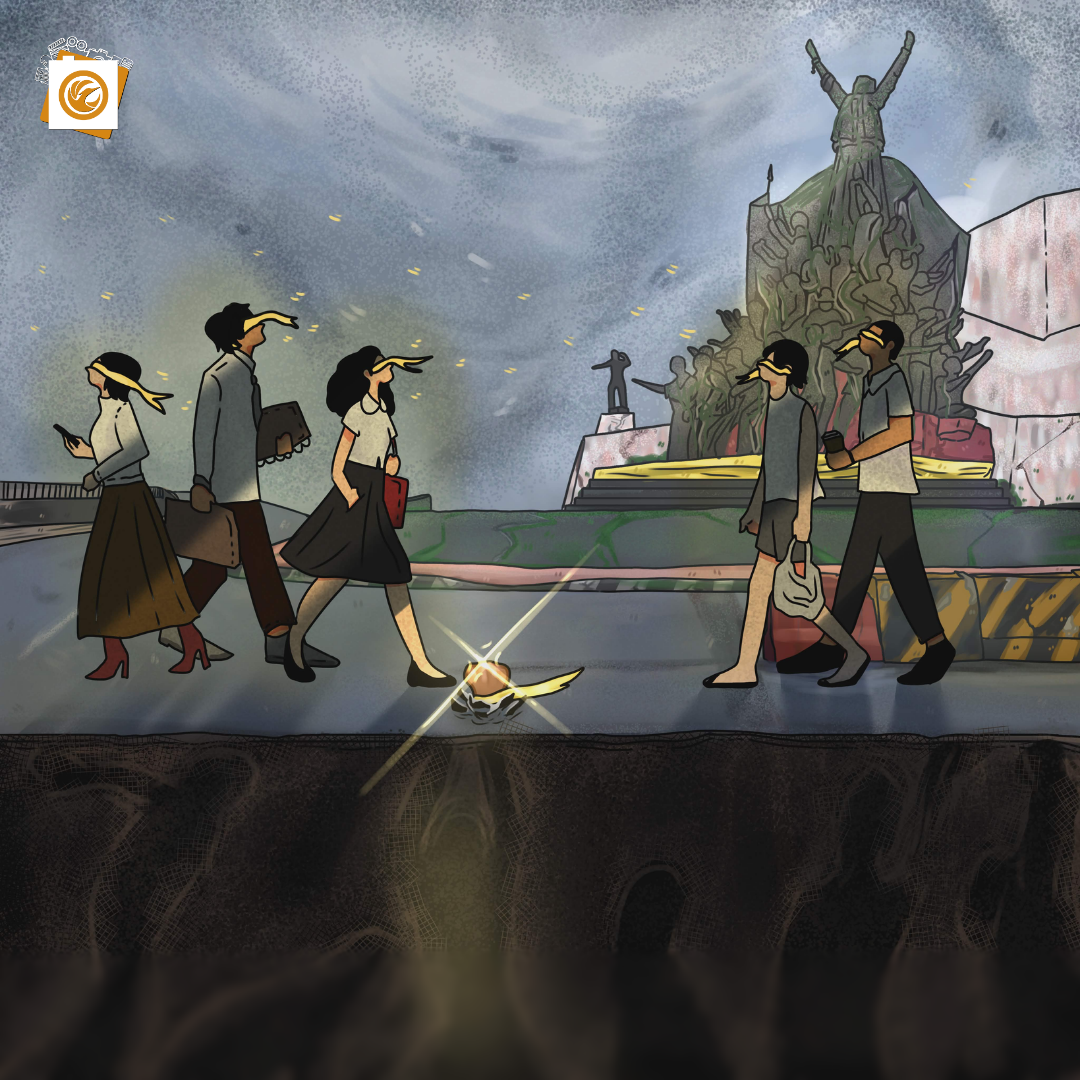
The cycle of hope and forgetting does not remain confined to history—it is reflected in how Filipinos remember EDSA today. Despite the revolution being marked as a historical event, many have forgotten the true essence of democracy. As time passes and the anniversary is no longer observed as a “Special Working Holiday”, remembrance slowly loses its presence in everyday life. While newer holidays such as “Chinese New Year” have become widely recognized in the Philippines despite having little direct historical connection to Filipinos, the contrast reveals how the nation’s priorities shift over time. When history is no longer commemorated, lessons from the past risk being swept away.
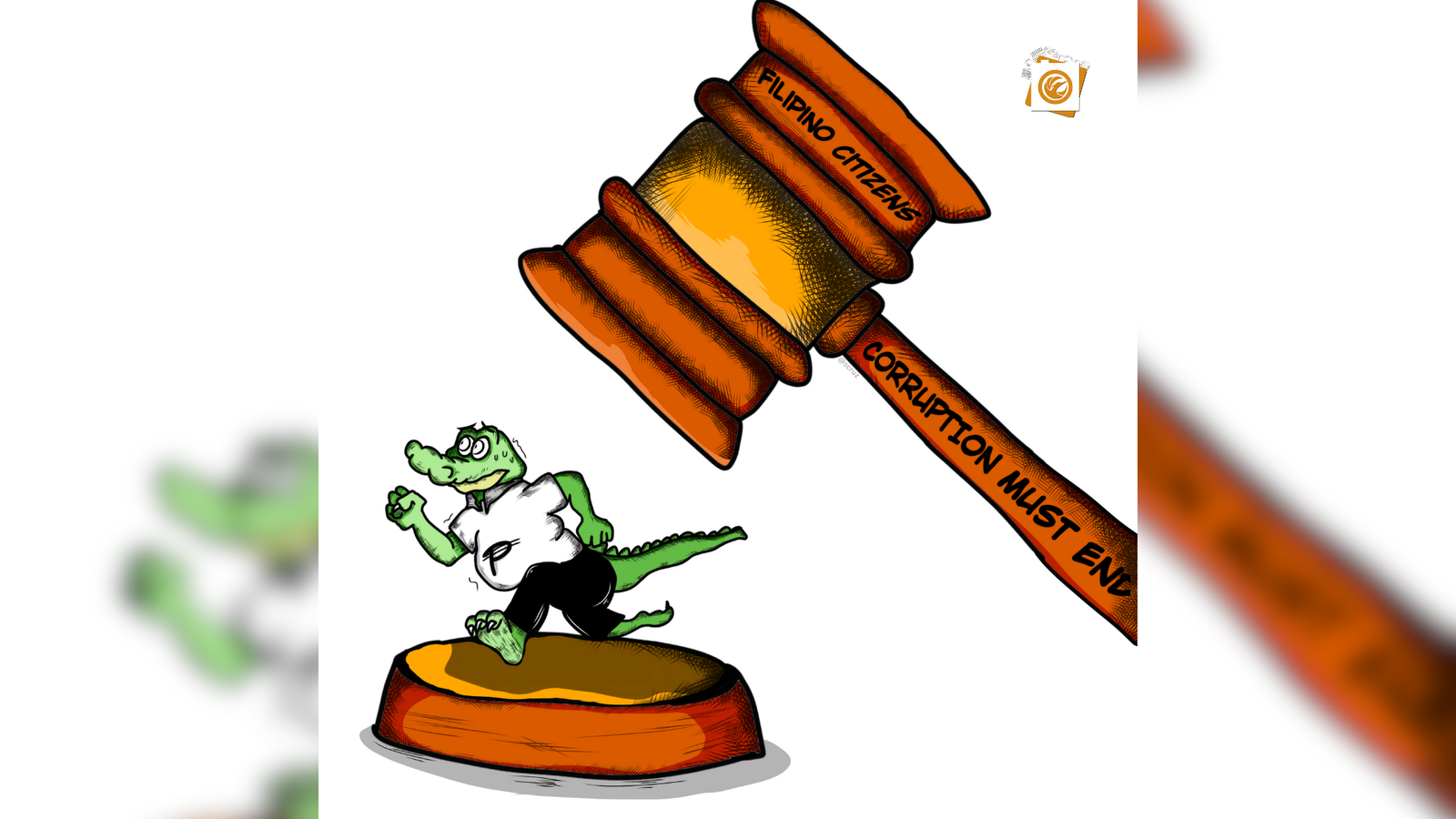
Criminalizing hope should never be the answer—even if it becomes tiring to always believe that things will get better. Activism and collective resistance, much like what happened during People Power, represent only the first step in exercising freedom of expression; democracy requires citizens to remain actively engaged even after the war has subsided. In a democratic society, holding those in authority accountable is not merely a right but a responsibility that must persist long after revolutions end. Progress depends on a citizenry willing to continue questioning, to continue seeking truth despite uncertainty—because, in the end, it is better to die in pursuit of truth than to live in ignorance.
DISCLAIMER | The views and opinions of USMO expressed in this article on UMak.edu.ph do not represent those of the University of Makati, its administrators, staff, or students.
Illustrated by Mary Cathyrine Estoque
References
De Guzman / Manila, C. (2023, February 22). The Philippines once celebrated Marcos’ fall. Under his son, has the country moved on? TIME. https://time.com/6257017/philippines-bongbong-marcos-people-power-revolution/
IBON Foundation. (2021b, September 21). Golden years?: The real long-lasting economic damage wrought by Marcos. https://www.ibon.org/golden-years-the-real-long-lasting-economic-damage-wrought-by-marcos/
Martial law era in the Philippines. (n.d.). OER Commons. https://oercommons.org/courseware/lesson/65028/student-old/?task=5
Sicat, G. P. (2023, April 4). Big infrastructure projects. Philstar.com. https://www.philstar.com/business/2023/04/05/2256890/big-infrastructure-projects
The Philippines: For free elections · Senate Foreign Relations Committee · The Richard G. Lugar Senatorial Papers. (n.d.). https://collections.libraries.indiana.edu/lugar/exhibits/show/foreignrelationscommittee/philippines